Unseen risks: Study uncovers cancer-linked chemicals in majority of hair extensions
02/18/2026 / By Willow Tohi
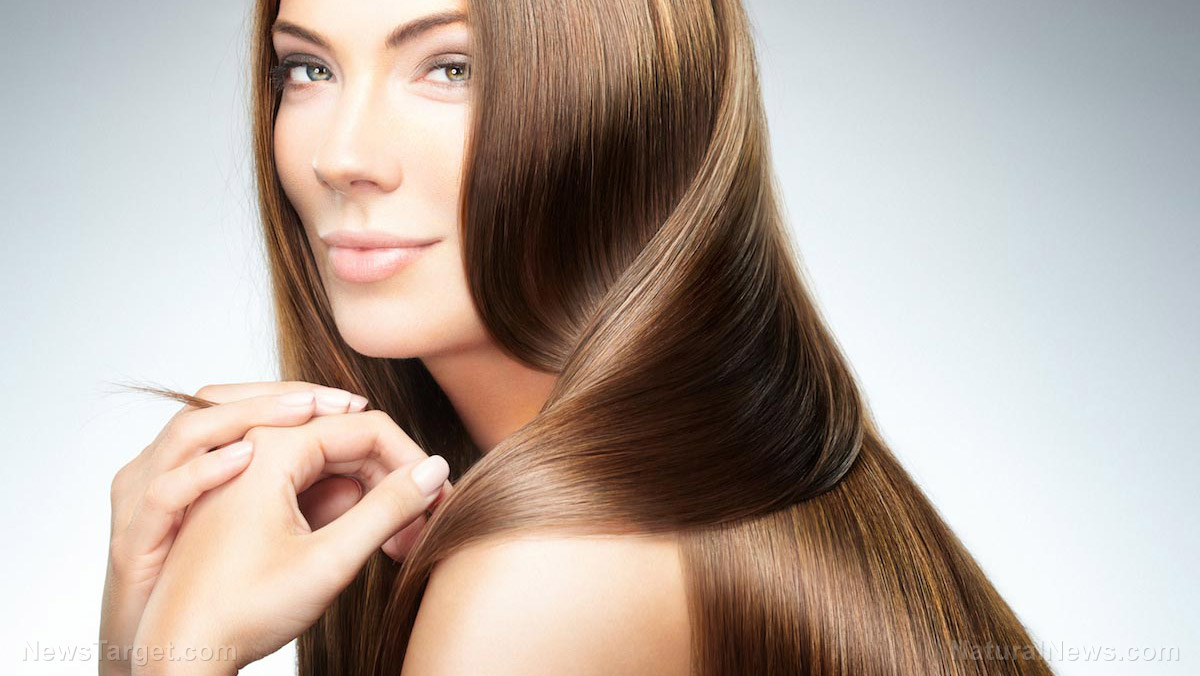
- A new scientific study found that over 90% of tested hair extension products contain chemicals linked to cancer, hormone disruption and reproductive harm.
- Researchers detected hundreds of chemicals, most of which could not be identified due to a lack of public safety data, highlighting a severe transparency crisis.
- Synthetic products, particularly those with undisclosed fiber types, contained the highest levels of hazardous substances, including plastic stabilizers at unsafe concentrations.
- Black women, who use hair extensions at a rate seven times higher than White women, face disproportionate and prolonged exposure to these chemical mixtures.
- The multi-billion dollar beauty industry operates with virtually no federal safety testing or ingredient disclosure requirements for these products.
New research has revealed a hidden health risk within a ubiquitous beauty product, raising urgent questions about consumer safety and regulatory oversight. A first-of-its-kind study, published in the journal Environment & Health, found that the vast majority of hair extensions—both synthetic and natural—contain a cocktail of chemicals, including substances linked to cancer and reproductive harm. The findings are particularly consequential for Black women, who constitute the primary consumer base for these products, and spotlight a beauty industry that operates with minimal federal safety standards.
A marketplace of unknowns
Scientists from the Silent Spring Institute conducted a comprehensive chemical analysis of 43 popular hair extension products, from synthetic braiding hair to human hair and plant-fiber alternatives. Using advanced screening techniques, they detected 933 distinct chemical signatures. Alarmingly, 91% of products contained at least one chemical appearing on authoritative hazard lists like California’s Proposition 65, which identifies known carcinogens and reproductive toxicants.
The most concerning discoveries involved organotin compounds, used as plastic stabilizers, found in some synthetic products at levels that would violate European Union safety limits. Laboratory tests indicated these chemicals could leach out when exposed to warm water. Beyond tins, the analysis revealed indicators of flame retardants, water-repellent treatments and plasticizers associated with developmental issues. Perhaps most troubling was that researchers could only identify about 20% of the chemicals found; the remaining 80% are industrial compounds not listed in public scientific databases, leaving consumers exposed to a sea of unknown substances.
Disproportionate exposure and health implications
The public health concern is magnified by stark demographic usage data. Surveys indicate over 70% of Black women in the United States wear hair extensions at least once a year, a rate more than seven times that of other groups. These products are often worn continuously for weeks or months, resting against the scalp during sleep, showers and heat styling. This creates multiple pathways for chemical exposure through skin absorption, inhalation of fumes from heated fibers, and hand-to-mouth contact.
The identifiable chemicals in the study are associated with a range of serious health outcomes:
- Hormone disruption, linked to early puberty, metabolic problems and conditions like uterine fibroids.
- Increased cancer risk.
- Skin irritation and allergic reactions.
- Potential neurotoxic and developmental effects.
This pattern of exposure contributes to a cumulative chemical burden, a concern that echoes historical issues with other beauty products marketed to Black women, such as chemical hair relaxers now linked to uterine cancer in thousands of lawsuits.
An unregulated frontier
The findings underscore a critical regulatory gap. The $14 billion global hair extension industry has no federal requirements for safety testing, ingredient disclosure, or mandatory recalls for harmful products. Claims like “non-toxic” or “phthalate-free” were sometimes found to be misleading upon laboratory testing. Products with no fiber disclosure—often the most affordable—tended to have the highest chemical loads. This leaves consumers, and the stylists who handle these products daily, navigating a marketplace with little reliable information for making safer choices.
Toward informed choice and accountability
The study concludes with a call for greater transparency and oversight, advocating for ingredient disclosure and restrictions on the most hazardous chemicals—standards applied to many other consumer goods. Some state-level initiatives, like Washington’s ban on certain chemicals in cosmetics, point toward potential change. For now, experts suggest consumers seek out brands that undergo independent verification and be skeptical of vague marketing claims. The research makes clear that understanding the full health impact requires first knowing what is in these products, a fundamental right currently absent for millions.
A call for clarity in a clouded industry
This research illuminates a significant disconnect between cultural beauty practices and chemical safety. It reveals an environment where economic accessibility often comes with an unlabeled and poorly understood health trade-off. As awareness grows, the demand for accountability and safer alternatives is likely to intensify, challenging an industry long accustomed to operating in the shadows. The study serves as a stark reminder that in the pursuit of beauty, the ingredients applied to our bodies should not remain a mystery.
Sources for this article include:
Submit a correction >>
Tagged Under:
chemicals, dangerous, hair extensions, health science, hormone disruption, immune system, poison, products, real investigations, reproductive harm, research, toxic ingredients, toxins, women's health
This article may contain statements that reflect the opinion of the author
RECENT NEWS & ARTICLES